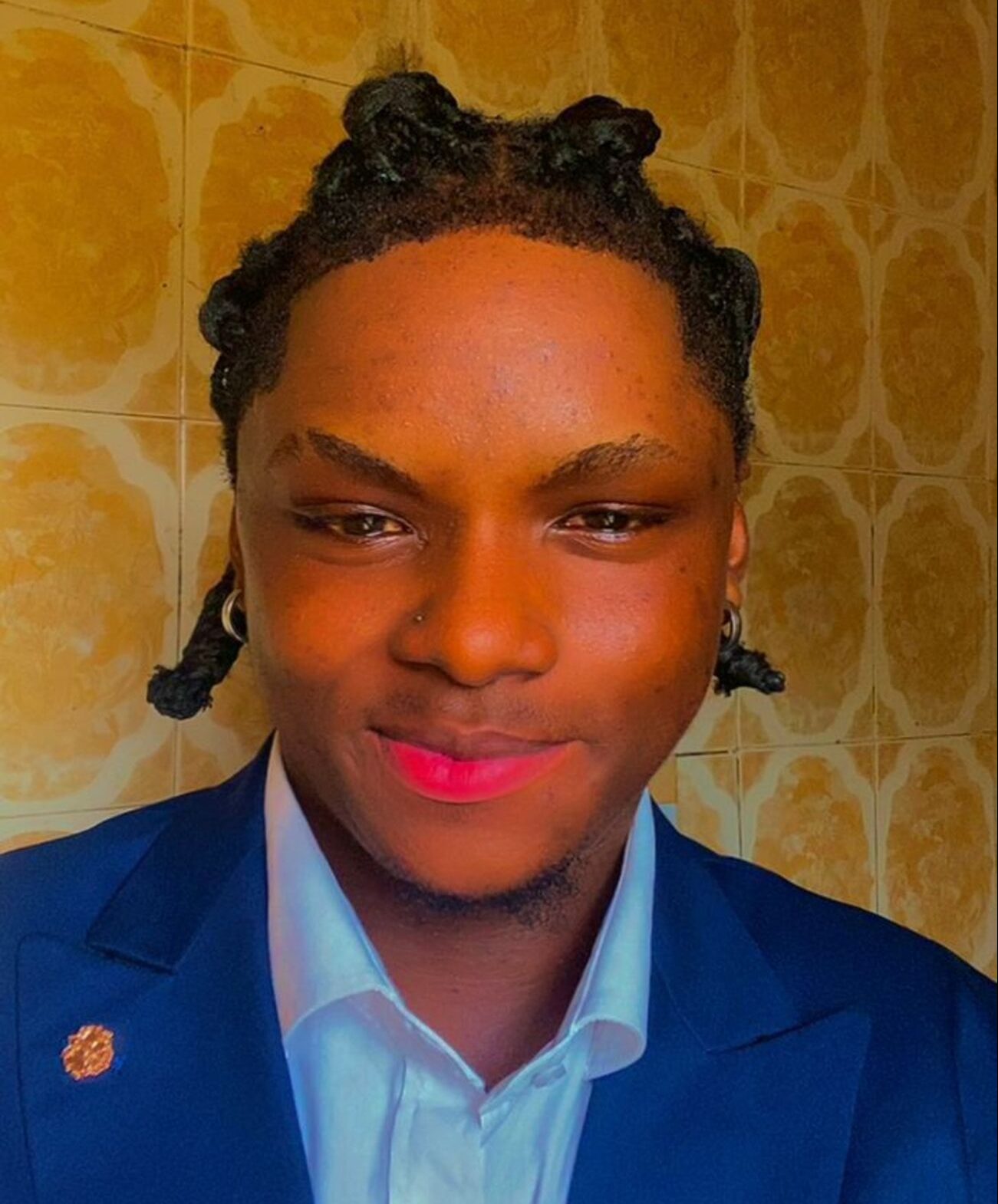
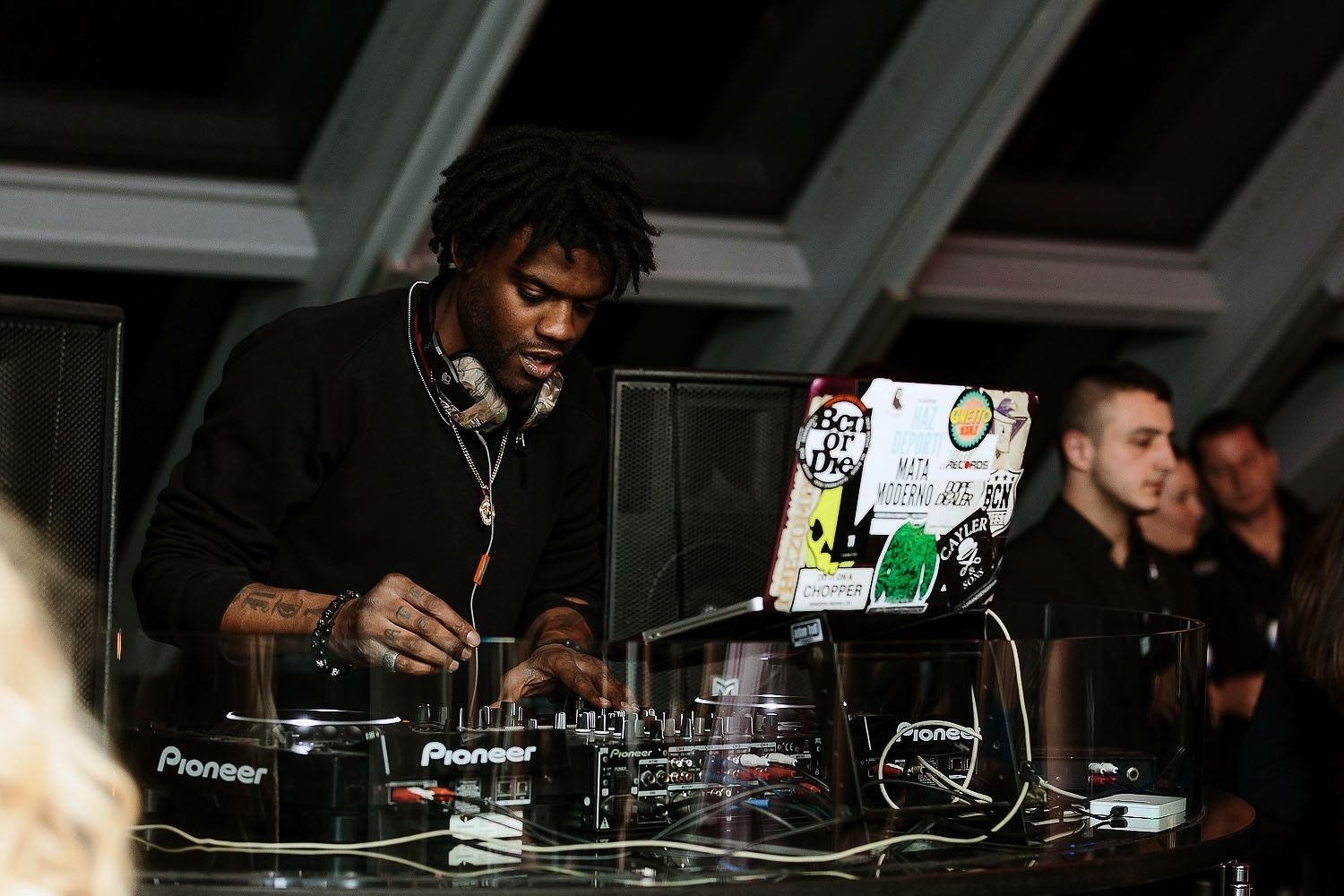
Nicky Gold: House Music from Odesa to Macau
Nicky Gold, born in Odesa, Ukraine on 6 June 1993 and currently based in Macau, China, began his professional career as a DJ in 2012, after discovering house music during his teenage years through local events in his hometown.
His early trajectory was strongly shaped by the rapid growth of electronic music culture across Asia. After relocating with almost no local industry connections, Nicky Gold gradually built his presence in major venues and festivals, adapting his sound to the EDM big room scene that dominated large clubs at the time.
- Artist name: Nicky Gold
- Real name: Not publicly disclosed
- Date of birth: 6 June 1993
- Place of birth: Odesa, Ukraine
- Current base: Macau, China
- Active since: 2012
- Role: DJ & music producer
- Main style: House (Ibiza-style house)
House music inspired Nicky Gold to become a DJ
The pandemic period became a turning point in his artistic direction. With the temporary shutdown of large venues and a different relationship between artists and audiences, Nicky returned to house music — the genre that originally inspired him to become a DJ. Today, he defines his artistic identity around an Ibiza-style house sound, focused on groove, atmosphere and long-form storytelling on the dancefloor rather than short-term impact.
His recent releases, including Take You High on Anchor Records and Every Night on Chicago-based Phunk Junk, mark this new creative phase, rooted in classic house influences and a renewed personal connection to music.

What was the hardest part of leaving the EDM big room scene and returning fully to house music?
The hardest part for me was being able to find and attract new connections in the industry, because the EDM and house scenes are very different.
I have always been a big fan of house music, so I already knew what kind of sound I wanted to produce.
From a production point of view, the biggest challenge was adapting to a different structure compared to EDM. I started using old-school synthesizers, more organic sounds and instruments, and a lot of sampling.
From a performance perspective, playing house music is a completely different experience. It is more about building the vibe of the night and letting the music breathe — longer transitions, not rushing, using a lot of loops. For me, it is a very different and beautiful way of performing.
As a foreign DJ working in Asia, what was the biggest cultural difference you had to adapt to in clubs and audiences?
Most of the nightclubs and music festivals I have worked with are much more focused on visual production and image than on music itself. People come to see the show, which is important and positive, but it is very different from what I was used to.
In my home country, people usually learn about a DJ before going to a show — they listen to the music and learn about the artist’s background. In many places in Asia, it feels more like a visual show first, and the music becomes an additional element.
Of course, it is not the same everywhere, but this has been my experience in most of the clubs I have played. At the same time, it is a good way for DJs to learn how to build a personal brand, not just focus on being behind the decks.
Today, how would you define the sound and identity of Nicky Gold in one sentence?
I identify myself as a house music DJ and producer focused on an Ibiza-style house sound.

Can you remember one specific night or gig that changed the way you see your career as a DJ?
It did not happen overnight, but during the pandemic I was lucky to have a residency at a rooftop club. Big venues were closed and many people could not attend large clubs because of safety regulations.
At that time, I started playing house music instead of big room EDM and received very good feedback. Most importantly, after years of playing in different venues, I felt something I had missed for a long time — discovering new music became exciting again.
I remember watching a video on YouTube of John Summit making the beat for his track In Chicago, and I clearly thought: “That is exactly what I want to do.”
In the following months, I locked myself in the studio and released an EP.
Later, when I moved to Thailand and discovered how strong the local house scene was, I felt that I was in the right place at the right time.
Do you feel today’s electronic music industry really supports artistic development, or is it mainly driven by trends and fast consumption?
I think today the industry is mainly driven by trends, and music is becoming less creative. Many DJs try to recreate sounds that went viral on TikTok and other platforms.
Producers who focus on creativity are becoming more rare. They may be unique, but at the same time less visible in today’s market. Of course, you can always find good music and talented artists if you truly love music.
The problem is that many producers focus on overnight success, which is why so much music sounds very similar today — coming from short viral moments on social media.
I respect all the different ways people build their careers, and I do not think there is a wrong way to become recognized.
However, we should not forget that music itself still matters. In the end, music and the business side must work together and find a healthy balance.
Where do you see yourself in five years as an artist?
I would love to make and release as much music as possible and share it with people who have the same musical taste as me.
I simply want to keep doing what I love for as long as I can, enjoy the creative process and continue discovering myself musically. I truly believe that if you work hard enough, success and financial stability will eventually find you.

How did you find yourself in house music?
When I was growing up as a teenager in my hometown, I attended many house events. At that time, my girlfriend was a DJ and she introduced me to house music while playing at local events.
Deep house and techno were becoming very popular in my country, and I quickly fell in love with the sound.
I started DJing by playing at small events that my friends and I organized.
How did you start playing as a resident DJ at big venues and top clubs in Asia?
One of my friends moved to Asia to play gigs and became a resident DJ there. At the same time, a manager was looking for a new resident DJ for a brand-new club. She contacted me and asked if I would like to move to Asia and try my luck there.
Long story short, I moved to Asia with almost no connections and had to learn how the local market worked. I adapted my sound to a more energetic EDM big room style and released a few tracks.
After that, big clubs started inviting me as a guest and later as a resident DJ. I was also lucky to perform at large music festivals at a very young age.
After the pandemic, I moved to Thailand and fell in love with the house music scene there. I had missed that classic house sound for a long time, so I decided to fully focus on house music and stop producing big room EDM.
I played several gigs on the island of Phuket with very good feedback and received my first residency at one of the best clubs in Thailand.
Later, I received an offer from the legendary Para Club in Macau, often known as the “Las Vegas of Asia”.
Tell us the story behind the release of Take You High
I was inspired by house music pioneers such as Frankie Knuckles, Ron Hardy, Todd Terry and Danny Tenaglia.
I wanted to create my own version of a classic big house record, with a groovy bassline and old-school synths. That is how the idea for Take You High was born.
From the initial idea to the final result, the whole process took about two weeks. I sent the track to Anchor Records, they loved it, and we released it together.
Tell us about your record deal for Every Night on Chicago label Phunk Junk
I have always been a big fan of Chicago’s music culture and wanted to be close to the roots of where house music started.
I sent my demo to the label, they loved it, and that is how the release happened.

Do you plan to release new music anytime soon?
Yes, I have more music coming very soon. Some of the upcoming releases will have a deeper and more minimal, tech-influenced sound.
I also have a summer track planned for release around April or May this year.
Throughout the year, I plan to produce and release as much music as possible and share it with real music lovers.
Upcoming releases on Mustache Crew , Spicy Soirée, Audio Wave Records, Late Hour records.
Do you have any advice for the new generation of DJs?
Every story is unique. Some people focus on building connections first and then work on music. Others focus on music first and later try to attract promoters, venues or labels.
Both approaches are valid. What works for one person may not work for another.
My main advice is to focus on music production first. Create as much music as possible, study and copy others at the beginning, and over time develop your own sound.
Try to build a catalogue that allows you to play at least 70–80% of your own music, edits and remixes in your sets. That gives promoters a real reason to book you, because you offer something unique that belongs to you.
Enjoy the creative process, work hard, and stay consistent — consistency is the key.